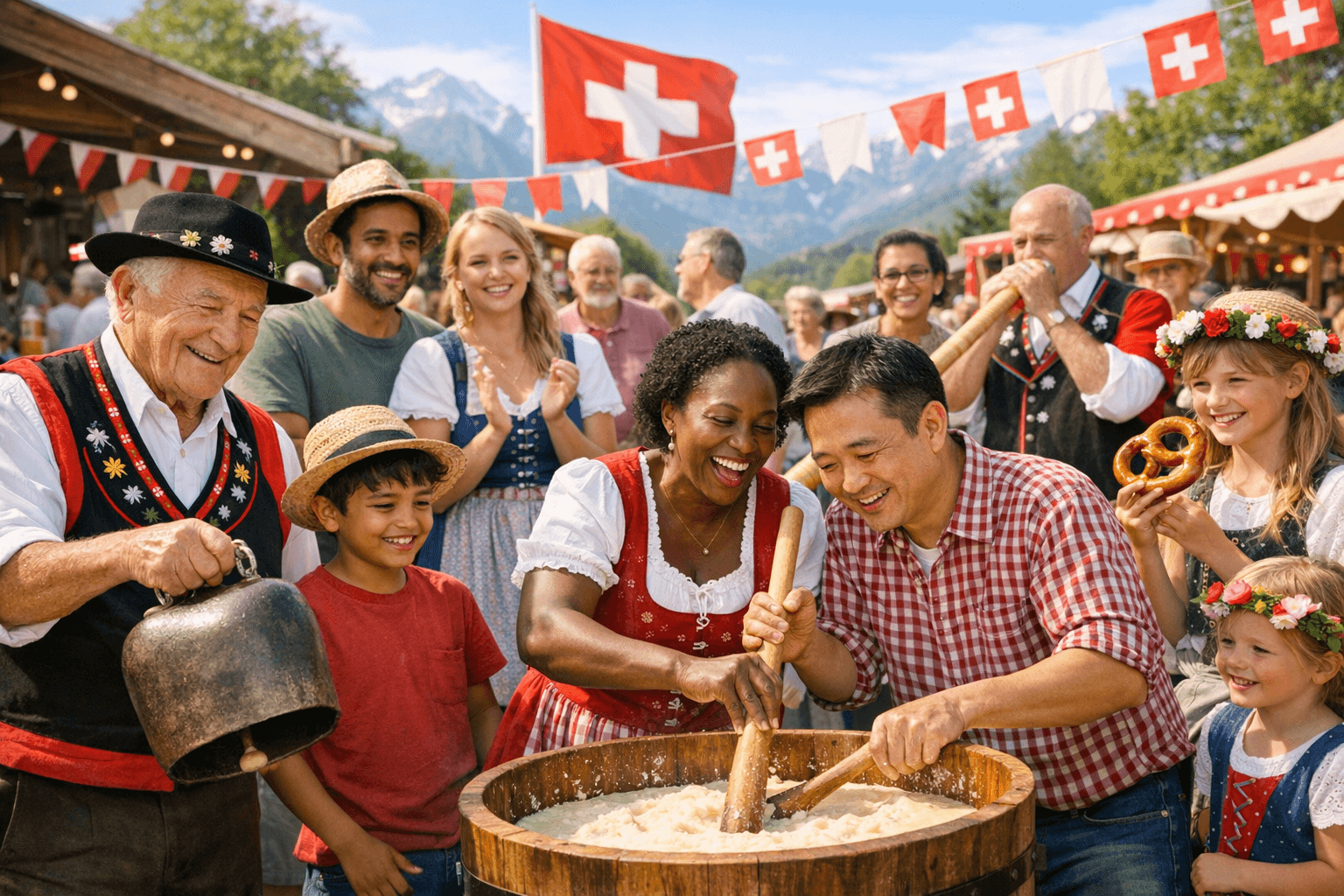
Why Integration Matters for Your Citizenship Application
Here's a startling fact: insufficient integration is one of the leading reasons for rejection. Not language issues, not residency problems — integration.
Many applicants focus on passing the citizenship test but neglect the integration aspect. This is a critical mistake. Swiss authorities don't just want you to know facts about Switzerland — they want to see that you're genuinely part of Swiss society.
What Authorities Actually Check:
During your naturalization process, officials assess:
- Personal network – Do you have Swiss friends, colleagues, and neighbors?
- Community participation – Are you actively involved in Swiss organizations?
- Cultural familiarity – Do you understand and participate in Swiss traditions?
- Economic independence – Are you financially self-sufficient?
- Language in daily life – Do you use the local language consistently?
The Difference Between "Living in Switzerland" and "Being Integrated"
Living in Switzerland means you reside here, work here, and speak the language. Being integrated means you're part of the fabric of Swiss life — you have Swiss friends, participate in local events, understand Swiss culture, and contribute to your community.
When to Start: 2-3 Years Before Applying
Integration takes time to demonstrate. You can't join a club two months before your application and expect it to count. Authorities look for consistent, genuine participation over 2-3 years minimum.
The Bottom Line:
Integration is the single most important factor you can influence. Start today, be consistent, and document everything. Your future Swiss self will thank you.
What Counts as Integration
Integration isn't vague — it's specific and measurable. Swiss authorities look for evidence in five key areas:
1. Social Connections
Authorities want to see you have genuine relationships with Swiss people:
- Swiss friends outside of work
- Swiss colleagues you socialize with
- Swiss neighbors you know by name
- Swiss family members (by marriage or partnership)
What counts: Regular interaction, not just casual acquaintances. Invite neighbors for coffee, join colleague lunches, attend local meetups.
2. Community Participation
Active membership in Swiss organizations is strong evidence of integration:
- Sports clubs (Fussball, Tennis, Turnverein, Schiverein)
- Cultural associations (music, choir, theater)
- Professional associations
- Parent-teacher associations (Elternverein)
- Volunteer organizations (Samariterverein, Feuerwehr, Zivilschutz)
- Neighborhood associations
- Hobby clubs
What counts: Consistent participation over 2-3 years minimum. Occasional attendance isn't enough.
3. Cultural Knowledge
Show you understand Swiss culture:
- Celebrate Swiss holidays (Federal Day on August 1st)
- Participate in local traditions (Fasnacht, Sechseläuten, Chilbi)
- Understand Swiss customs (greeting with three kisses, recycling discipline)
- Know Swiss food (Rösti, Fondue, Birchermüesli)
- Follow Swiss news and current events
4. Economic Participation
Demonstrate financial independence:
- Stable employment or self-employment
- No dependence on social assistance (Sozialhilfe) for 3+ years
- No outstanding debts or tax issues
- Continuous health insurance coverage
5. Language Use in Daily Life
Use the local language consistently:
- Speak German/French/Italian with Swiss people
- Use the local language at shops and services
- Watch Swiss TV and listen to Swiss radio
- Read Swiss newspapers regularly
Join Swiss Clubs and Associations
Joining a Swiss club (Verein) is one of the best ways to demonstrate integration. It shows commitment, builds genuine connections, and provides concrete evidence for your application.
Types of Clubs That Count
Sports Clubs (Sportvereine):
- Football (Fussballclub)
- Tennis clubs
- Gymnastics (Turnverein)
- Ski clubs (Schiverein)
- Swimming clubs
- Hiking groups
Cultural Associations:
- Music societies (Musikgesellschaft)
- Choirs (Chor)
- Theater groups
- Folklore groups
- Art associations
Community Organizations:
- Parent-teacher associations (Elternverein)
- Neighborhood associations (Quartierverein)
- Cultural exchange groups
- Professional associations
Volunteer Organizations:
- Samariterverein (Samartians)
- Fire department (Feuerwehr) – volunteer firefighters
- Civil protection (Zivilschutz)
- Red Cross
- Local charity organizations
How to Find Clubs in Your Area
- Check your municipality website – Most Gemeinden list local clubs
- Visit local bulletin boards – Physical notices at community centers
- Ask Swiss neighbors or colleagues – Personal recommendations
- Search online – "Verein [your city]" or "[sport] club [your city]"
- Attend local events – See what's active in your community
What Level of Participation Is Expected
Authorities look for:
- Duration: Minimum 2-3 years of membership
- Activity: Regular attendance at meetings, events, or activities
- Involvement: Not just paying dues, but actually participating
- Consistency: Showing up regularly, not just occasionally
You don't need to be on the committee or president. Regular, genuine participation is enough.
How to Document Your Membership
Keep these records:
- Membership certificate (Mitgliederausweis)
- Annual confirmation letters from the club
- Photos of you at club events
- Event participation records
- Committee positions or volunteer roles
Test Your Knowledge
Try 5 free questionsVolunteer Work That Counts
Volunteer work is highly valued by Swiss authorities. It demonstrates your commitment to Swiss society and provides tangible evidence of integration.
Types of Volunteering That Count
Emergency and Safety Services:
- Fire department (Feuerwehr/Pompieri) – volunteer firefighters
- Civil protection (Zivilschutz/Protection civile)
- Samariterverein (Samaritans) – first aid and medical support
- Rescue organizations
Community Service:
- Red Cross activities
- Food banks and soup kitchens
- Elderly care assistance
- Youth programs and mentoring
- Environmental cleanup projects
Local Events:
- Helping organize village festivals (Dorf feste)
- School event support
- Sports event assistance
- Cultural festival volunteers
How to Find Volunteer Opportunities
- Contact your local Samariterverein – Always looking for volunteers
- Ask at your municipality – They often know of opportunities
- Check volunteer websites – www.freiwilligenportal.ch, www.benevol.ch
- Approach organizations directly – Red Cross, local charities
- Community bulletin boards – Physical and online postings
Time Commitment Expectations
Authorities look for:
- Regular participation – Monthly or weekly involvement
- Duration – 1-2 years minimum of consistent volunteering
- Genuine contribution – Meaningful work, not just token appearances
You don't need to volunteer every weekend. Consistent, regular participation over time matters more than intensity.
Documenting Your Volunteer Work
Keep thorough records:
- Written confirmation from the organization
- Hours logged (if applicable)
- Specific projects or events you worked on
- Reference letters from supervisors
- Photos of you volunteering (with permission)
- Certificates or recognition received
Build Swiss Social Connections
Having Swiss friends and connections is one of the strongest integration signals. Authorities want to see you're part of Swiss social fabric, not living in an expat bubble.
Making Swiss Friends
Start with colleagues:
- Invite colleagues for lunch or coffee
- Join after-work gatherings (Apéro)
- Attend company events
- Participate in team sports or activities
Connect through shared interests:
- Join clubs related to your hobbies
- Attend local meetups and events
- Take classes in the local language
- Volunteer for community projects
Build neighbor relationships:
- Greet neighbors when you see them
- Attend neighborhood events
- Offer help when appropriate
- Join local neighborhood associations
Parent Networking (if applicable):
- Join the Elternverein (parents' association)
- Attend school events and parent-teacher meetings
- Arrange playdates for your children
- Volunteer for school activities
Language Exchange Partners
Language exchange (Tandem) is a great way to make Swiss connections:
- Find tandem partners through local language schools
- Use websites like www.tandem.net
- Post in community groups looking for language exchange
- Meet regularly to practice each other's languages
Attending Local Events
Show up consistently to local events:
- Village festivals (Dorf feste, Chilbi)
- Sporting events
- Cultural celebrations
- Municipal assemblies (Gemeindeversammlung)
- Local markets and fairs
Evidence to Collect
Document your social connections:
- Photos with Swiss friends at events
- Reference letters from Swiss citizens
- Event invitations and attendance records
- Social media posts showing participation
- Witness statements from neighbors or colleagues
Participate in Swiss Traditions
Understanding and participating in Swiss traditions shows authorities you respect Swiss culture and are becoming part of it.
Key Swiss Holidays and Celebrations
Federal Day (Bundesfeier/Fête nationale/Festa nazionale) – August 1st:
- The most important Swiss national holiday
- Attend local bonfire celebrations
- Watch fireworks displays
- Participate in community brunches
Regional Traditions:
German-speaking Switzerland:
- Fasnacht (Carnival) – Basel, Lucerne, Bern
- Sechseläuten (Spring festival) – Zurich
- Chilbi (Fair/festival) – Various locations
- Alpabzug (Alpine descent) – Traditional cow parades
French-speaking Switzerland:
- Fête de l'Escalade – Geneva
- Bacchanale – Wine festival in Neuchâtel
- Désalpe – Cattle descent from mountains
Italian-speaking Switzerland:
- Autunno in Ticino (Fall festival)
- Various local sagre (festivals)
Swiss Customs to Know
Greeting customs:
- Three kisses on the cheek (common in French-speaking areas)
- Handshake with eye contact (formal situations)
- "Grüezi" (German), "Bonjour" (French), "Buongiorno" (Italian)
Recycling discipline:
- Separate trash meticulously
- Follow local recycling schedules
- Respect environmental norms
Quiet hours (Ruhezeit):
- Respect Sunday rest
- Observe quiet hours (12-2 PM, 10 PM-7 AM)
- No noisy activities on Sundays
Documenting Your Participation
Keep evidence:
- Photos of you at traditional events
- Event programs and tickets
- Social media posts from celebrations
- Reference letters from Swiss friends confirming participation
Document Your Integration
Documenting your integration is crucial. Swiss authorities want concrete evidence, not just your word. Start building your "integration portfolio" 2-3 years before applying.
What Evidence to Collect
Club Memberships:
- Membership certificates (Mitgliederausweis)
- Annual confirmation letters
- Photos of you at club activities
- Event participation records
Volunteer Work:
- Written confirmation from organizations
- Hours logged
- Reference letters from supervisors
- Certificates of appreciation
Social Connections:
- Photos with Swiss friends at events
- Reference letters from Swiss citizens
- Event invitations and attendance records
- Social media posts showing participation
Cultural Participation:
- Photos from traditional festivals and events
- Event programs and tickets
- Proof of language learning activities
How to Keep an Integration Portfolio
Create a dedicated folder (digital and physical):
- Organize by category – Clubs, volunteering, social, cultural
- Include dates – When did each activity happen?
- Add context – Brief notes explaining each item
- Keep originals – Don't throw away certificates or letters
- Make backups – Scan everything digitally
Reference Letters: Who to Ask and How
Who makes good references:
- Swiss citizens you've known for 2+ years
- Club presidents or committee members
- Volunteer supervisors
- Colleagues (preferably Swiss)
- Neighbors (Swiss citizens)
- Teachers or coaches (for children)
How to request a reference letter:
- Ask in person if possible
- Explain what it's for (citizenship application)
- Provide context about your relationship and how long you've known each other
- Give them time to write it (2-4 weeks)
- Offer to provide a draft if they're unsure what to write
What should be in the letter:
- How long they've known you
- In what capacity
- Their opinion of your integration
- Specific examples of your participation
- Their contact information
Integration Challenges & Solutions
Integration isn't always easy. Here are common obstacles and how to overcome them.
Common Obstacles
Language Barrier:
- Challenge: Fear of making mistakes holds you back
- Solution: Swiss people appreciate effort. Start with simple phrases, practice regularly, and don't worry about perfection
- Action: Join language exchange groups, practice with patient friends, use language learning apps
Shyness or Social Anxiety:
- Challenge: Hard to put yourself out there and meet new people
- Solution: Start small with structured activities (classes, clubs) where interaction is natural
- Action: Choose clubs based on your interests – shared activities make conversation easier
Busy Schedule:
- Challenge: Work and family leave little time for integration activities
- Solution: Quality over quantity – consistent but smaller commitments work
- Action: Choose one club or activity that fits your schedule, attend regularly
Not Knowing Where to Start:
- Challenge: Overwhelmed by options and unsure what counts
- Solution: Start with what interests you most – genuine engagement beats forced participation
- Action: Pick ONE activity to start, commit to 6 months, then expand
What to Do If You've Been Less Active
If you haven't been very active socially:
- Don't panic – It's never too late to start
- Be consistent – Show up regularly once you commit
- Start now – Every month counts
- Document everything – Keep records from day one
- Consider waiting – If applying soon, consider building more evidence first
Quick-Start Integration Plan for Late Starters
Month 1-3:
- Join ONE club or organization
- Start learning the local language intensively
- Attend at least one local event per month
Month 4-6:
- Add volunteer work (even small commitment)
- Build relationships with Swiss neighbors
- Document everything with photos and records
Month 7-12:
- Join a second organization if possible
- Ask for reference letters from connections you've made
- Continue consistent participation
Remember: Authentic, consistent participation over 1-2 years is better than token activities right before applying.
Canton-Specific Integration Expectations
Integration expectations vary significantly between cantons and even between municipalities. Understanding what your specific area expects is crucial.
Urban vs Rural Differences
Urban Areas (Zurich, Geneva, Basel, Bern):
- More diverse communities – integration evidence may need to be more specific
- More club and activity options available
- International communities exist – authorities look for Swiss connections specifically
- Higher volume of applications – scrutiny may be more thorough
Rural Areas and Small Towns:
- Closer-knit communities – participation is more visible
- Fewer formal clubs – informal community involvement counts more
- Local events and traditions are central
- Everyone knows everyone – your reputation matters
Canton-Specific Examples
Zurich:
- Formal citizenship test (Grundkenntnistest)
- Integration interview required
- Evidence of participation in Zurich-specific traditions (Sechseläuten)
- Reference letters carry significant weight
Bern:
- Computer-based test at cantonal level
- Strong emphasis on community participation
- Traditional values – respect for local customs important
- Integration period often 3+ years expected
Geneva:
- French language requirements strictly enforced
- Integration assessed through interview
- High volume of applications – process can take longer
- Evidence of participation in Genevan traditions (Fête de l'Escalade) valued
Basel-Stadt:
- From 1 July 2026, abolished its cantonal naturalisation fee for everyone (under-25s and low-income applicants then pay only the federal fee)
- More flexible integration requirements
- Evidence of participation in Basel Fasnacht highly valued
- Community involvement strongly considered
Ticino:
- Italian language requirements
- Integration through participation in local sagre (festivals)
- Strong sense of community – personal connections important
- Reference letters from local citizens helpful
How to Find Your Canton's Requirements
- Check your canton's migration office website – They often publish integration criteria
- Contact your municipality – They can explain local expectations
- Ask others who have naturalized – Recent applicants can share experience
- Consult an immigration lawyer – For complex cases or unclear requirements
The Bottom Line:
While specific requirements vary, the core principle is the same everywhere: show genuine, consistent participation in Swiss society over 2-3 years minimum. Document everything, build real connections, and be authentic.
Test Your Knowledge
Try 5 free questions